

2026 Annual Conference
Agenda & Session Info
September 20–22, 2026
Wilderness Resort | Wisconsin Dells

Sunday, September 20
9:00am – 3:00pm
Check out Wo-Zha-Wa Fall Festival
Downtown Wisconsin Dells - incudes Arts & Crafts Fair, Famer’s Market, Maxwell Street Days, Antique & Collectibles Market, etc.
More information can be found here!
4:00pm – 7:00pm
Conference Registration
Conference Center Foyer
7:00pm – 9:00pm
President’s Reception
Wilderness Ballroom
Monday, September 21
7:00Am
Conference Registration
Conference Center Foyer
7:00Am – 8:00Am
Breakfast with the Exhibitors
Ballroom
8:00Am – 8:30Am
Opening Ceremony
Ballroom
Keynote
8:30am - 9:45AM
Ballroom
This dynamic keynote presentation inspires leaders to think beyond day-to-day operations and focus on the lasting impact they leave behind. Your Legacy: Succession Planning and Mentoring equips participants with the tools and mindset to intentionally develop future leaders, strengthen organizational resilience, and ensure that knowledge, values, and vision are passed on to the next generation.
Through engaging storytelling and practical strategies, this session explores how succession planning and mentoring work hand-in-hand to create a culture of growth and sustainability. Attendees will learn how to identify and prepare emerging leaders, build strong mentorship relationships, and design systems that ensure continuity during times of change.
Whether you are nearing retirement, transitioning to a new role, or simply seeking to invest in your team, this keynote provides actionable insights to help you define your legacy and set your organization up for long-term success.
Your legacy: succession planning and mentoring
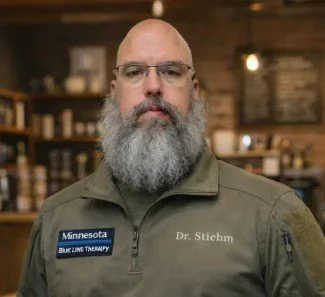
matthew J. stiehm
Dr. Matthew J. Stiehm is a licensed clinical mental health professional, retired law enforcement officer, educator, and nationally experienced trainer who bridges the worlds of public safety and behavioral health. With advanced degrees in counseling, criminal justice, and educational leadership, Dr. Stiehm brings a rare combination of real-world policing experience and clinical expertise to his work with first responders, justice-involved individuals, and high-risk populations. A former police officer in California, Minnesota, and Nebraska, he remains deeply engaged in current law enforcement trends, officer wellness, trauma, use-of-force issues, and criminal behavior. Dr. Stiehm currently provides outpatient mental health services, including work with probation, parole, and sex offender populations, while continuing to educate, consult, and advocate for evidence-informed approaches to public safety and mental health.
9:45am - 10:15am
Networking Break with Exhibitors & Attendees
Ballroom
Breakout Session #1
10:15am - 11:45am
-
Room: Wilderness Ballroom 1 & 4
This will be a townhall style session with WI DOC Secretary, Jared Hoy. -
Room: Glacier A & B
Dena Carreyn, J.D., Leadership Development Specialist, WI DOC
Corrections professionals communicate under pressure every shift — giving directives, responding to refusals, correcting behavior, coaching staff, and managing conflict between coworkers. This session examines how stress reshapes communication in those moments: how it narrows attention, sharpens tone, speeds up assumptions, and makes people hear disrespect or threat where none was meant — escalating conflict before either party intended it. Attendees will leave with concrete techniques for recognizing their own stress responses, slowing a conversation before it breaks down, resetting expectations, and coaching staff through high-pressure interactions. The session is grounded in the realities of correctional work and designed for immediate use by supervisors, trainers, and frontline
-
Room: Tundra A&B
Alexandria Ashburn, MA, LPC, Psychological Associate, WI DOC - LHS/CLS
Marissa Scofield
Cultural humility is essential in correctional work, particularly when serving youth and adults from marginalized or minority backgrounds. This training guides participants through a processing and experience-oriented exploration of cultural identity and the unconscious biases that shape perception and decision‑making within the Wisconsin Department of Corrections. Through reflective activities and discussion, staff examine how their own cultural lenses influence rapport, safety, and equitable practice.
-
Room: Tundra C&D
Greg Hyland, Staff Development Supervisor, WI DOC
This session will explore setting clear expectations; differentiating between suggestions, recommendations, and expectations; and the various accountability measures available to supervisors. -
Room: Tundra E & F
Naomi Guzman-Boomsma, ASL Instructor & Teacher of the Deaf and Hard of Hearing
Effective communication is essential to maintaining safety, professionalism, and respect in correctional settings. This workshop introduces correctional professionals to the American Sign Language (ASL) alphabet and basic vocabulary that can be used during everyday interactions with Deaf and Hard of Hearing individuals. Participants will learn practical signs and communication strategies to help facilitate simple exchanges while gaining a better understanding of Deaf culture and communication needs. The session also highlights the importance of recognizing when a qualified ASL interpreter is needed for more complex or legally significant communication. Presented by Naomi Guzman-Boomsma, a Teacher of the Deaf and Hard of Hearing with the Watertown Unified School District, ASL instructor for the University of Wisconsin–Milwaukee School of Continuing Education, and former educational interpreter, this workshop provides participants with practical skills they can begin using immediately.
11:45Am
Time with the Exhibitors
Ballroom
12:15pm – 1:15Pm
Awards Luncheon
Ballroom
Breakout Session #2
1:30Pm - 3:00Pm
-
Room: Wilderness 1 & 4
Dr. Matt StiehmThis course critically examines the intersection of anxiety and the use of force within high-stakes environments such as law enforcement, corrections, and emergency response. Participants will explore how acute and chronic anxiety can influence decision-making, perception, and behavior during force encounters, and how the physiological stress response may impact both professionals and civilians.
Through real-world case studies, psychological research, and tactical analysis, this course investigates the consequences—legal, professional, and personal—that arise when anxiety is left unrecognized or unmanaged in force related situations. The curriculum also addresses the long-term psychological aftermath for all parties involved, including post-incident trauma, organizational response, and the broader societal implications. -
Room: Glacier A & B
Kelly Bubolz, Speaker/Author
We’ve been taught to adapt by doing more, pushing harder, and becoming “better” versions of ourselves. But in a world that keeps accelerating, that strategy no longer fits. The problem isn't people, it's the patterns we’ve been operating in. Invisible patterns are what drive exhaustion or energy. When those patterns no longer match the world we're in, burnout isn't failure, it's a mismatch. Awareness of these patterns is untapped power. This program introduces a practical framework to identify and shift the patterns draining your energy and replace them with ones that create a natural flow of sustainable performance. -
Room: Tundra A&B
Alexandria Ashburn, MA, LPC, Psychological Associate, WI DOC - LHS/CLS
Marissa Scofield
Cultural humility is essential in correctional work, particularly when serving youth and adults from marginalized or minority backgrounds. This training guides participants through a processing and experience-oriented exploration of cultural identity and the unconscious biases that shape perception and decision‑making within the Wisconsin Department of Corrections. Through reflective activities and discussion, staff examine how their own cultural lenses influence rapport, safety, and equitable practice.
-
Room: Tundra C & D
Brian Townsend, MOCIC Law Enforcement Training Coordinator
Join former U.S. Drug Enforcement Administration (DEA) Supervisory Special Agent Brian Townsend for an in-depth and comprehensive training program addressing the opioid epidemic and the illicit fentanyl crisis. Delivered nationwide, this highly acclaimed class provides a thorough exploration of the crisis — from its historical roots to current challenges - offering participants actionable insights and practical tools to make a difference.
-
Room: Tundra E & F
Andrew J. Schreier, Clinical Senior Implementation Strategist, Community Medical Services
Humor and laughter are powerful tools for healing, connection, and resilience, yet they are often overlooked or discouraged in mental health and substance use treatment settings. This engaging presentation explores the research behind therapeutic humor and its impact on physical health, emotional well-being, recovery engagement, and therapeutic relationships. Participants will examine common misconceptions that equate seriousness with recovery and learn how humor can be used ethically and effectively in clinical and recovery-focused environments. Through practical examples and live demonstrations, attendees will discover ways to incorporate humor to build rapport, reduce stigma, enhance communication, and strengthen recovery connections. Join us for an interactive session that highlights how laughter can create hope, foster belonging, and support meaningful change.
3:00Pm - 3:30PM
Break & Networking with Exhibitors
Ballroom
Breakout Session #3
3:30Pm - 5:00Pm
-
Room: Wilderness 1 & 4
Dr. Matt StiehmThis training examines the complex relationship between anxiety, stress physiology, decision-making, and use-of-force encounters within law enforcement, corrections, probation/parole, and other high-risk public safety professions. The course explores how acute stress, chronic anxiety exposure, hypervigilance, cumulative trauma, and organizational pressures influence perception, reaction time, communication, tactical decision-making, and post-incident functioning.
Participants will review the neurobiological and psychological realities of force encounters, including sympathetic nervous system activation, perceptual distortions, survival-based decision-making, and the impact of fear and uncertainty under rapidly evolving conditions. The training addresses how anxiety may present before, during, and after critical incidents, while also examining the emotional, professional, legal, relational, and physiological aftermath that frequently follows force events. -
Room: Glacier A & B
Kelly Bubolz, Speaker/Author
We’ve been taught to adapt by doing more, pushing harder, and becoming “better” versions of ourselves. But in a world that keeps accelerating, that strategy no longer fits. The problem isn't people, it's the patterns we’ve been operating in. Invisible patterns are what drive exhaustion or energy. When those patterns no longer match the world we're in, burnout isn't failure, it's a mismatch. Awareness of these patterns is untapped power. This program introduces a practical framework to identify and shift the patterns draining your energy and replace them with ones that create a natural flow of sustainable performance. -
Room: Tundra A & B
Dena Carreyn, J.D., Leadership Development Specialist, WI DOC
Corrections professionals communicate under pressure every shift — giving directives, responding to refusals, correcting behavior, coaching staff, and managing conflict between coworkers. This session examines how stress reshapes communication in those moments: how it narrows attention, sharpens tone, speeds up assumptions, and makes people hear disrespect or threat where none was meant — escalating conflict before either party intended it. Attendees will leave with concrete techniques for recognizing their own stress responses, slowing a conversation before it breaks down, resetting expectations, and coaching staff through high-pressure interactions. The session is grounded in the realities of correctional work and designed for immediate use by supervisors, trainers, and frontline staff.
-
Room: Tundra C & D
Brian Townsend, MOCIC Law Enforcement Training Coordinator
Join former U.S. Drug Enforcement Administration (DEA) Supervisory Special Agent Brian Townsend for an in-depth and comprehensive training program addressing the opioid epidemic and the illicit fentanyl crisis. Delivered nationwide, this highly acclaimed class provides a thorough exploration of the crisis — from its historical roots to current challenges - offering participants actionable insights and practical tools to make a difference.
-
Room: Tundra E & F
Andrew J. Schreier, Clinical Senior Implementation Strategist, Community Medical Services
Humor and laughter are powerful tools for healing, connection, and resilience, yet they are often overlooked or discouraged in mental health and substance use treatment settings. This engaging presentation explores the research behind therapeutic humor and its impact on physical health, emotional well-being, recovery engagement, and therapeutic relationships. Participants will examine common misconceptions that equate seriousness with recovery and learn how humor can be used ethically and effectively in clinical and recovery-focused environments. Through practical examples and live demonstrations, attendees will discover ways to incorporate humor to build rapport, reduce stigma, enhance communication, and strengthen recovery connections. Join us for an interactive session that highlights how laughter can create hope, foster belonging, and support meaningful change.
5:00pm - 6:15PM
Networking, Appetizers & Stamp Card Raffle Drawing
Ballroom
7:00pm – 11:00Pm
Entertainment – offsite at Bobbers Island Grill
Join us for music & cash bar!
Tuesday, September 22
8:00Am - 9:00AM
Networking Buffet Breakfast
Ballroom
Breakout Session #4
9:00am - 10:30am
-
Room: Wilderness 1 & 4
Mike McGowan, President of McGowan and Associates
Change is natural and good yet nothing in the workplace causes as much anxiety and worry. Change is inevitable yet is often perceived as good or bad for the individuals in the workplace. The ultimate acceptance of the change is a function of how much resistance each person has and the quality of their coping skills and their support system. We will address those dynamics and how we can create and maintain a healthy work environment.
-
Room: Glacier A & B
Lisa Sennholz, Founder/CEO, Damascus Road Project
Kelly Olson, State Special Initiative Director, Damascus Road Project
Natasha Riehl, Lived Experience Expert
Sex trafficking and commercial sexual exploitation are complex issues rooted in vulnerability, manipulation, and trauma. This session will provide an overview of our organization’s mission, prevention, and the education efforts, advocacy, and support services, while examining the risk factors that increase vulnerability to exploitation and the recruitment and control tactics commonly used by exploiters. The session will also address the impacts of complex trauma and trauma bonding, including the psychological and emotional barriers that may prevent individuals from leaving exploitative situations. Emphasis will be placed on increasing awareness and promoting trauma-informed understanding and response.
-
Room: Tundra A & B
Joe Keil, Retired Manitowoc Sheriff Deputy
This session will provide pertinent information on recognizing current drug trends, clandestine clothing, paraphernalia, concealment methods, symbols of the drug world and recognizing the variety of ways contraband is smuggled or mailed to correctional facilities. One of the key factors in keeping both staff and inmates safe is recognizing substance abuse, overdose signs and symptoms and being able to distinguish between a possible medical condition which can mimic drug use. The session will give a broad overview and break down the human body and how each of the 11 major systems are affected by the use of substances.
-
Room: Tundra C & D
Scott Kleinfeldt, Counter Threat Solutions Technical Instructor
The presentation will discuss the emerging threats to correctional facilities, available detection options and possible response strategies.
-
Room: Tundra E & F
Aviva Herman, LCSW, Program Coordinator, Prevent Child Abuse Wisconsin - Children’s Wisconsin
Grace Knutson, Director of Sex Offender Programs, WI DOC
With numerous approaches and focuses within child abuse prevention, the work can end up in silos, stretching resources and limiting the impact that the community sees. In this session, learn how a child sexual abuse primary prevention program – Awareness to Action – found a non-traditional partner in the Wisconsin Department of Corrections – Sex Offender Registry and united in a collective impact strategy alongside Prevent Child Abuse Wisconsin. This example of discovering shared purpose across programs will demonstrate how to look beyond usual community partners and inspire innovation.
10:30Am - 10:45AM
Break
Breakout Session #5
10:45am - 12:15Pm
-
Room: Wilderness 1 & 4
Mike McGowan, President of McGowan and Associates
Change is natural and good yet nothing in the workplace causes as much anxiety and worry. Change is inevitable yet is often perceived as good or bad for the individuals in the workplace. The ultimate acceptance of the change is a function of how much resistance each person has and the quality of their coping skills and their support system. We will address those dynamics and how we can create and maintain a healthy work environment.
-
Room: Glacier A & B
Lisa Sennholz, Founder/CEO, Damascus Road Project
Kelly Olson, State Special Initiative Director, Damascus Road Project
Natasha Riehl, Lived Experience Expert
Sex trafficking and commercial sexual exploitation are complex issues rooted in vulnerability, manipulation, and trauma. This session will provide an overview of our organization’s mission, prevention, and the education efforts, advocacy, and support services, while examining the risk factors that increase vulnerability to exploitation and the recruitment and control tactics commonly used by exploiters. The session will also address the impacts of complex trauma and trauma bonding, including the psychological and emotional barriers that may prevent individuals from leaving exploitative situations. Emphasis will be placed on increasing awareness and promoting trauma-informed understanding and response.
-
Room: Tundra A & B
Joe Keil, Retired Manitowoc Sheriff Deputy
This session will provide pertinent information on recognizing current drug trends, clandestine clothing, paraphernalia, concealment methods, symbols of the drug world and recognizing the variety of ways contraband is smuggled or mailed to correctional facilities. One of the key factors in keeping both staff and inmates safe is recognizing substance abuse, overdose signs and symptoms and being able to distinguish between a possible medical condition which can mimic drug use. The session will give a broad overview and break down the human body and how each of the 11 major systems are affected by the use of substances.
-
Room: Tundra C & D
Scott Kleinfeldt, Counter Threat Solutions Technical Instructor
The presentation will discuss the emerging threats to correctional facilities, available detection options and possible response strategies.
-
Room: Tundra E & F
Aviva Herman, LCSW, Program Coordinator, Prevent Child Abuse Wisconsin - Children’s Wisconsin
Grace Knutson, Director of Sex Offender Programs, WI DOCWith numerous approaches and focuses within child abuse prevention, the work can end up in silos, stretching resources and limiting the impact that the community sees. In this session, learn how a child sexual abuse primary prevention program – Awareness to Action – found a non-traditional partner in the Wisconsin Department of Corrections – Sex Offender Registry and united in a collective impact strategy alongside Prevent Child Abuse Wisconsin. This example of discovering shared purpose across programs will demonstrate how to look beyond usual community partners and inspire innovation.
12:15Pm - 1:00PM
Scholarship Luncheon, Raffle Drawing and Swearing-In of New President-Elect
Ballroom
In a culture that seems increasingly less personal, more sarcastic and more detached, human engagement is still one of the keys to happiness and success. In order to realize our full potential personally and professionally we need healthy boundaries, tactful communication skills, conflict resolution skills and problem solving abilities. Working collaboratively and respectfully with other professionals with differing personalities is paramount. In fact, it’s all that matters.
All that matters
Keynote
1:00Pm - 2:15PM
Ballroom
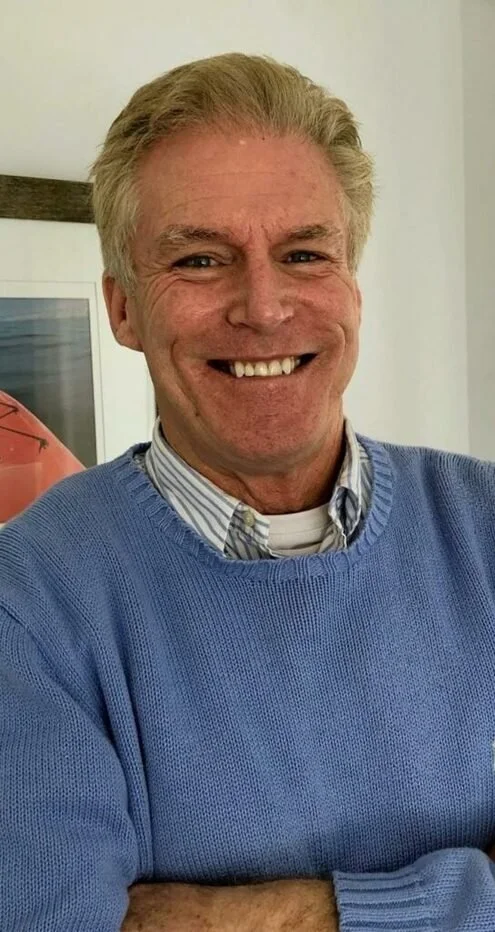
mike mcgowan
Michael McGowan is President of McGowan and Associates, a training and consultation firm specializing in workplace, school, and family issues. He works with helping agencies, companies, schools, parent groups, and students as a trainer, consultant, and motivational speaker.
Mr. McGowan has spent the last twenty-five years working with families and children. He worked as an educator, a family and addiction counselor, an administrator, and a trainer. He has directed state-certified training and rehabilitation programs. And he is host of the national podcast, "Avoiding the Addiction Affliction." During the last twenty years he has given presentations and keynote addresses to tens of thousands of people annually and has trained thousands of social service workers, educators, students, coaches, and administrators worldwide. Additionally, he has worked with the Department of Corrections, professional athletes and teams from the NFL and MLB, and dozens of private companies as a trainer and consultant.
Stay Connected
Follow us on Facebook for updates, announcements, and community highlights.